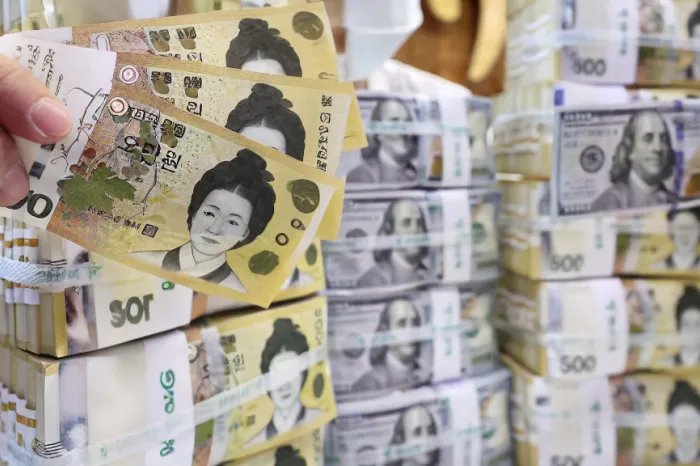
Starting July 6, South Korea will extend won-dollar trading hours in its domestic foreign exchange market to nearly 24 hours a day during weekdays. The Seoul Foreign Exchange Market Operations Council (SEOFEXCO) announced the change, which will allow trading from 6 a.m. on Monday until 6 a.m. on Saturday, a significant expansion from the current schedule that runs from 9 a.m. to 2 a.m. the following day.
This move aims to enhance accessibility for foreign investors and is part of South Korea’s efforts to join the Morgan Stanley Capital International (MSCI) developed market index. By extending trading hours, the government hopes to make it easier for global investors to participate in the Korean market across different time zones. Retail investors in South Korea, often called “Seohak ants,” who trade U.S. stocks during early morning hours will also benefit by being able to exchange currency at real-time rates.
Import-export companies are expected to respond more effectively to exchange rate fluctuations that occur overnight, improving their ability to manage currency risk. While dollar trading will continue almost nonstop throughout the week, it will close only on weekends and certain holidays, such as New Year’s Day. Other currencies will maintain their current trading hours from 9 a.m. to 3:30 p.m., with the daily closing exchange rate still announced at 3:30 p.m.
To provide better transparency, SEOFEXCO will introduce hourly Time-Weighted Average Prices (TWAP) for the won-dollar rate during market hours. This new pricing method is designed to reduce gaps in trading hours and improve convenience for both domestic and international investors by lowering transaction costs.
Despite these benefits, some experts warn that extending trading into overnight hours may increase volatility in the won-dollar exchange rate. Liquidity tends to be lower during these extended hours, which could make the currency more susceptible to sharp swings caused by fewer market participants. The won’s relatively small market size compared with South Korea’s economy means that changes in cross-border investment flows can have a larger impact than in bigger currency markets.
Many major economic events that influence global currency markets occur during South Korea’s nighttime, when fewer domestic traders are active. This could allow offshore investors and speculative traders greater influence over exchange rates during those times, potentially increasing short-term volatility.
Overall, the expansion of forex trading hours reflects South Korea’s broader strategy to open its financial markets and align with international standards. Officials expect this reform to improve liquidity and reduce barriers for foreign investors, exporters, and importers while supporting South Korea’s goal of achieving developed-market status recognized by global index providers.