
The Federal Reserve continues to emphasize the importance of community investment and evolving labor market dynamics as key drivers of economic growth and social well-being. Recent discussions at the 2026 National Community Investment Conference (NCIC) in Phoenix showcased how the Community Reinvestment Act (CRA) and public-private partnerships are crucial tools for strengthening underserved communities. Meanwhile, new research from the Federal Reserve Bank of Cleveland reveals shifting employment trends among young college graduates, signaling important changes in the labor market.
The Community Reinvestment Act, established to encourage banks to meet credit needs in all areas they serve—including low- and moderate-income neighborhoods—remains a cornerstone of community development efforts. Federal Reserve Governor Michael S. Barr highlighted the collaborative nature of CRA, describing community development as a “team sport” that requires broad participation from financial institutions, nonprofits, and government agencies alike. This collective effort has helped channel investments into affordable housing, small businesses, and infrastructure projects that benefit historically overlooked areas.
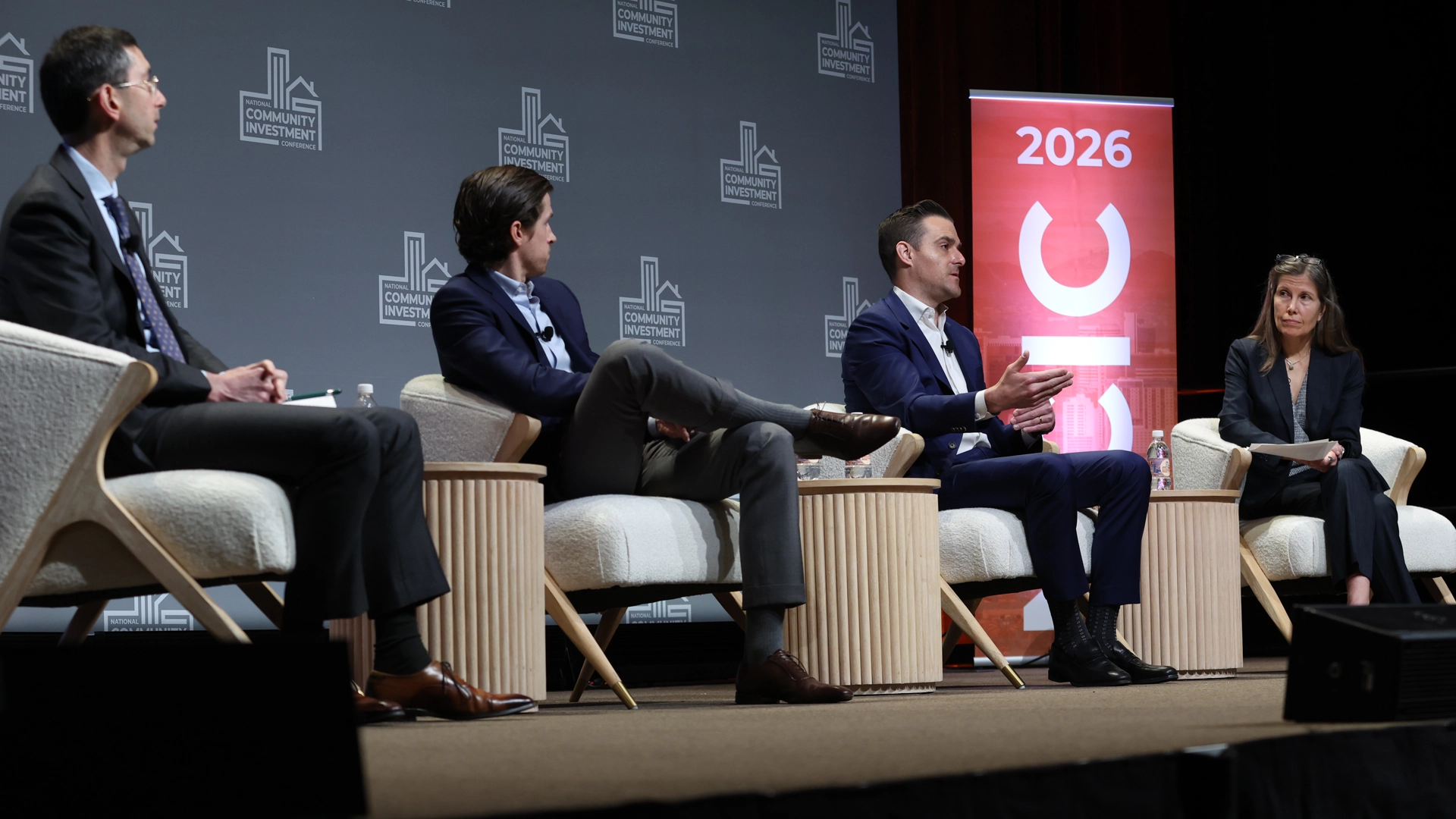
At the NCIC, experts shared how CRA compliance varies based on bank size and local needs, demonstrating flexibility in addressing diverse community challenges. Representatives from the Federal Reserve Bank of Atlanta provided insights on evaluating CRA performance and aligning initiatives with regulatory expectations. Discussions also underscored how public-private partnerships reduce investment uncertainty in underserved markets by combining resources and expertise, thus encouraging more capital flow into these communities.
Affordable housing was a major focus at the conference, with panels examining tools like the Low-Income Housing Tax Credit that mobilize private capital for public benefit. Local government officials shared innovative zoning and partnership strategies to expand housing options despite limited public resources. Additionally, sessions highlighted efforts to improve small business lending in underserved areas through collaborations between banks, community development financial institutions, and philanthropic groups. These efforts aim to support entrepreneurs who play a vital role in job creation and wealth building.
On a related note, research from the Federal Reserve Bank of Cleveland revealed a notable shift in employment outcomes for young college graduates. Historically enjoying faster job placement than high school graduates, this advantage has diminished over time. Both groups now find jobs at similar rates, reflecting a decline in job-finding rates for college graduates since 2000. This trend does not appear linked to recent factors such as AI automation or pandemic-related labor market disruptions.
Despite these challenges, college education remains valuable. Young graduates still experience lower job separation rates and earn higher wages compared to those with only a high school diploma. The research suggests that while the labor market is evolving, higher education continues to provide benefits in job security and income potential.
Together, these insights from Federal Reserve research and community development leaders illustrate a comprehensive approach to economic resilience. By fostering collaboration among financial institutions, governments, and community organizations through mechanisms like CRA and by understanding changing workforce dynamics, policymakers can better support sustainable growth and opportunity across diverse populations.