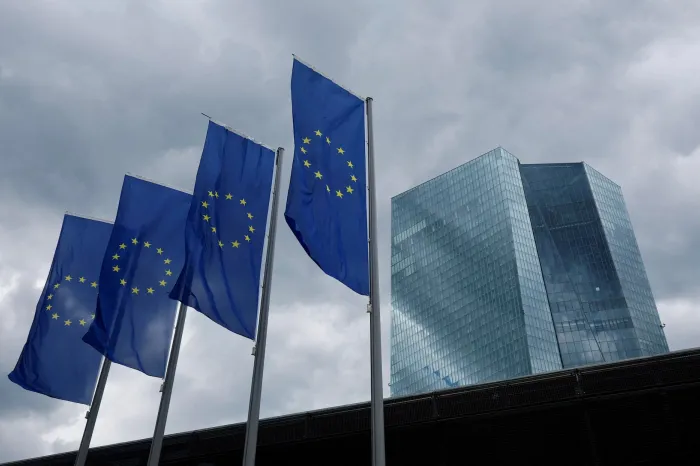
The European Central Bank (ECB) raised its key interest rate by 0.25 percentage points on June 11, bringing it to 2.25%. This marks the first increase since September 2023 and is a direct response to rising inflation triggered by the ongoing conflict involving Iran. The war has caused energy prices to surge, pushing eurozone inflation above the ECB’s target of 2%. Inflation in the euro area reached 3.2% in May, up from 3.0% in April, with core inflation rising to 2.5%, reflecting broader price pressures beyond just energy and food costs.
ECB President Christine Lagarde emphasized that the decision was made to address medium-term inflation risks driven by the conflict in the Middle East. She noted the uncertainty around how long energy prices would remain high and how this would impact inflation and economic growth across the eurozone. The ECB also raised its inflation forecast for 2026 to 3%, up from 2.6%, while lowering its economic growth outlook for the year to 0.8%, reflecting concerns about the war’s impact on commodity markets, real incomes, and business confidence.
The war has disrupted critical energy supply routes, including a blockade of the Strait of Hormuz, which handles about one-fifth of global oil and gas shipments. This disruption has led to oil prices staying above $90 per barrel, significantly higher than pre-war levels around $70. The ECB’s rate hike is intended to prevent rising energy costs from causing a lasting increase in inflation expectations, which could further destabilize the economy.
Financial experts view this move as a clear signal that the ECB will not tolerate prolonged inflation above its target and is prepared to act even amid an uncertain economic outlook. Deutsche Bank’s chief European economist Mark Wall described the hike as a significant moment, noting it is the first major central bank rate increase responding directly to an energy price shock. However, he cautioned that future rate rises may be limited due to risks of slowing growth and rising unemployment.
Looking ahead, many economists expect another rate increase later in the year, possibly in September, though the ECB remains committed to a data-driven approach with no fixed path for future hikes. The bank must carefully balance tightening monetary policy with the risk of stifling economic recovery, as growth forecasts have been downgraded and inflation pressures remain volatile due to geopolitical uncertainties.
The ECB’s decision contrasts with other major central banks like the US Federal Reserve and Bank of England, which are expected to hold rates steady in their upcoming meetings despite inflation concerns. The eurozone faces a challenging environment where energy-driven inflation threatens price stability while economic momentum weakens. The ECB’s cautious yet firm response underscores its priority on controlling inflation while monitoring evolving risks from the Iran conflict and global economic conditions.