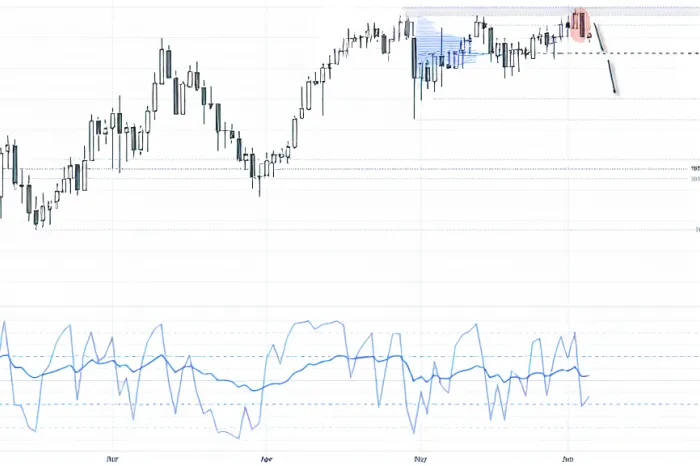
The Japanese yen experienced a notable pullback from its recent record lows, trading around the 161.2 level on Friday after dropping to a historic low of 162.8 earlier in the week. This decline had been driven by growing expectations that the US Federal Reserve would continue raising interest rates in response to persistent inflation. However, these fears have eased following a weaker-than-expected US jobs report, which showed an increase of only 57,000 jobs in June, according to the Bureau of Labor Statistics.
Despite the softer job growth, the US unemployment rate slightly decreased to 4.2 percent, largely due to a significant drop in labor force participation. This mixed data has led to uncertainty about the Federal Reserve’s next moves, though the newly appointed Fed chair has emphasized that controlling inflation remains a top priority.
Amid this economic backdrop, Japan’s Finance Minister Satsuki Katayama reiterated the government’s readiness to intervene in the foreign exchange market when necessary to stabilize the yen. Japan has already spent more than $73 billion between April and May this year in efforts to curb excessive yen volatility. The country’s central bank conducts these interventions under the guidance of the Ministry of Finance, using the Foreign Exchange Fund Special Account to buy or sell currencies such as the yen and the US dollar during periods of sharp exchange rate fluctuations.
The yen carry trade—a strategy where investors borrow yen at low interest rates to invest in higher-yielding assets abroad—has been significantly impacted by recent developments. Japan’s surprise interest rate hike earlier this year disrupted this trade, causing a sell-off in US stocks and raising concerns among investors about further interventions or additional rate hikes by the Bank of Japan. Such actions could potentially unwind carry trades and result in substantial losses.
Global factors have also influenced currency movements. Oil prices dropped following an interim peace agreement between the US and Iran, easing some inflation pressures despite gasoline prices remaining elevated. These dynamics contribute to ongoing uncertainty in forex markets as traders weigh geopolitical events alongside economic indicators.
Market analysts highlight that intervention by Japan remains a distinct possibility as authorities seek to manage currency stability amid volatile market conditions. While forecasts for USD/JPY remain sensitive to both domestic and international developments, Japan’s commitment to step in at appropriate moments underscores efforts to maintain orderly forex markets.
As forex market participants monitor these evolving conditions, investors are advised to remain cautious due to risks associated with leveraged trading and rapid shifts in exchange rates. The interplay between monetary policy decisions, economic data releases, and geopolitical events will likely continue shaping forex market trends in the near term.