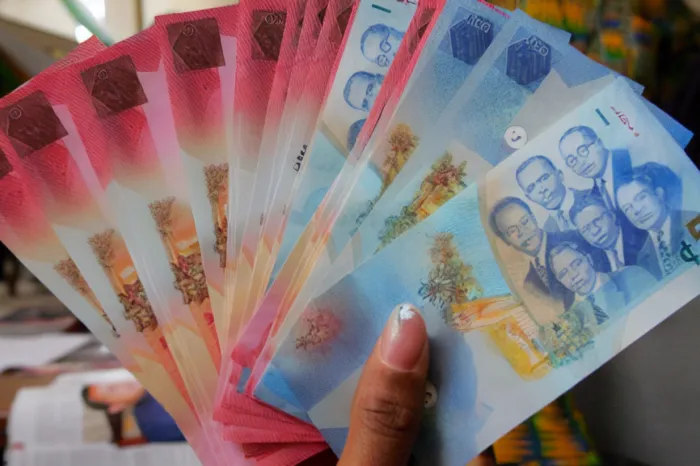
The forex market across West Africa has demonstrated remarkable stability in recent trading sessions, with the Ghanaian cedi and Nigerian naira showing only minor fluctuations against major international currencies. On July 4, 2026, the Ghanaian cedi remained steady against the US dollar, reflecting a balanced and calm foreign exchange environment throughout the region.
Data from Cedirates.com indicates that the cedi’s average buying rate was GHS11.17 per US dollar, representing a slight appreciation of one pesewa compared to the previous day. The selling rate also decreased marginally by one pesewa to GHS11.89. Forex bureaus in Ghana reported dollar purchase rates at GHS11.80 and sales at GHS12.25. Meanwhile, the Bank of Ghana’s interbank market exhibited even narrower spreads, with buying and selling prices at GHS11.38 and GHS11.40 respectively.
Other major currencies maintained steady pricing within Ghana’s forex landscape. The British pound traded at GHS14.65 for buying and GHS15.83 for selling at bureau counters, while the interbank rate was GHS15.22. The euro also showed consistency, with bureau rates at GHS12.65 for buying and GHS13.61 for selling, alongside an interbank rate of GHS13.03.
In addition to physical currency exchanges, digital remittance platforms such as LemFi and Taptap Send offered competitive transfer rates from the US and UK to Ghana. Both platforms priced US dollar remittances around GHS11.36 per dollar, while British pound transfers ranged from GHS15.10 to GHS15.13. Euro remittances were available slightly above GHS13.00 per euro on these services.
The Nigerian naira also remained relatively stable amid a quieter forex market on July 3, 2026. Analysts credit this steadiness to moderated demand and consistent monetary policies implemented by the Central Bank of Nigeria (CBN). Financial expert Julius Alagbe highlighted that improved interbank foreign exchange operations have significantly contributed to reducing previous volatility within Nigeria’s currency market.
This period of calm across both Ghana and Nigeria’s currency markets is welcomed by investors and businesses reliant on foreign exchange for trade and remittance purposes. Stable exchange rates lower risks related to currency depreciation and support more effective economic planning.
Market observers continue to monitor global economic factors that could influence forex movements in West Africa, including changes in commodity prices and international monetary policies. For now, traders and consumers benefit from steady pricing in these crucial regional currencies as they navigate ongoing economic challenges.