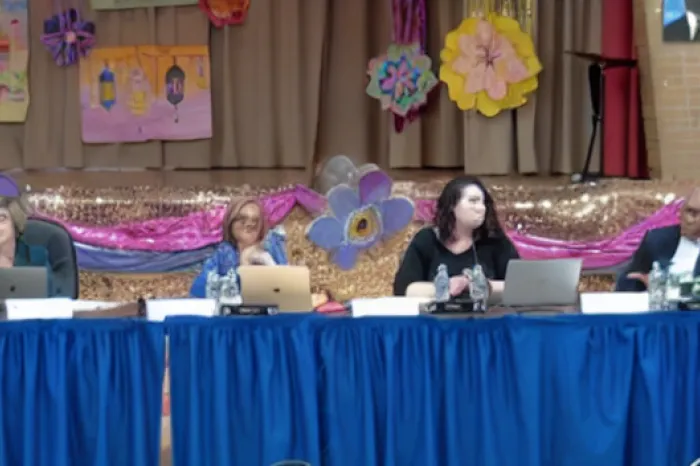
The Jersey City Board of Education (BOE) narrowly approved a $1.1 billion budget for the 2026-2027 school year during a closely contested meeting. The final vote was 5 to 4, reflecting deep divisions among board members over the proposed spending plan and its impact on local taxes. Despite the approval, officials remained largely unclear and divided about the exact percentage of the tax increase that would result from the budget.
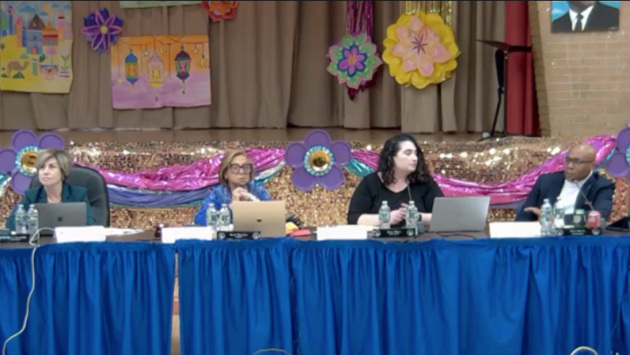
Board President Noemi Velazquez and Vice President Dejon Morris were among those who supported the budget, while Trustees Dr. George Blount, Dr. Matthew Schneider, Tia Rezabala, and Lorenzo Richardson opposed it. Morris stated the tax hike would be approximately 2.01 percent, which he described as consistent with the usual annual increase plus a small addition from bank cap funds. However, Schneider presented a much higher estimate, suggesting homeowners could see more than a 10 percent rise in the school portion of their property taxes.
Superintendent Dr. Norma Fernandez emphasized that it was premature to confirm any tax rate before city and county budgets were finalized, adding to the uncertainty surrounding how much residents would ultimately pay. Meanwhile, School Business Administrator Dr. Francine C. Luce detailed that the budget had grown by $69 million compared to last year and included an $80 million bank cap use to manage expenses.
The budget reflects a complex balancing act: salaries have decreased by $2.7 million while payments to city charter schools increased by nearly 25 percent, totaling $210 million. General expenses make up $738 million of the budget, with an average cost of nearly $29,000 to educate each student. The district has faced challenges such as no equalization aid from the state for two years and a significant shortfall initially estimated at $62 million.
Public reaction at the meeting was mixed but leaned toward dissatisfaction. Residents expressed concern about tax increases alongside cuts to programs and staff layoffs. Some criticized administrative spending and questioned allocations toward technology and legal settlements. Others highlighted the difficulty families face with rising property taxes amid limited state funding.
In contrast to Jersey City’s opaque tax hike discussion, nearby districts such as Point Pleasant Beach have adopted more transparent budgets with clear tax increases around 2.89 percent for the upcoming school year. Additionally, other school boards like Russell County USD 407 have been active in approving new programs such as girls flag football alongside staffing changes.
The Jersey City BOE called on residents to engage with City Council regarding tax abatements that reduce property tax revenue available for schools. Board members stressed that much depends on broader city and county fiscal decisions yet to be made public. With these uncertainties, local taxpayers remain watchful as they await clearer information on how education funding will affect their finances in the coming year.