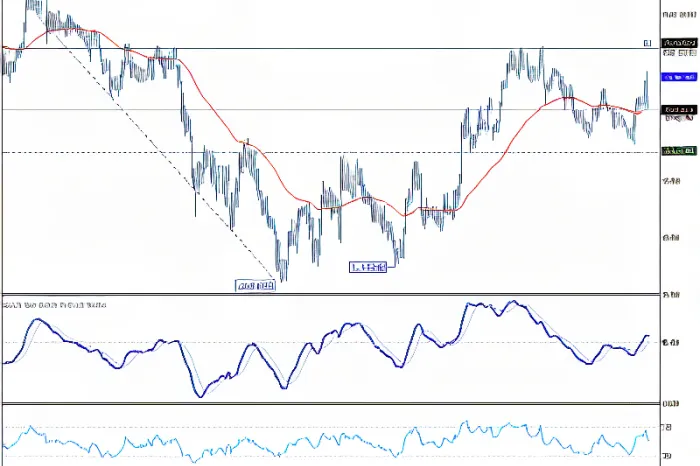
The forex market is currently experiencing heightened volatility, driven by recent economic reports and central bank decisions. Among the most actively traded currency pairs, AUD/USD and USD/JPY stand out due to their sensitivity to ongoing monetary policy developments and shifting economic indicators.
The AUD/USD pair has demonstrated notable swings as traders respond to speculation about possible interventions in currency markets. This activity has bolstered the Australian Dollar against a softer U.S. Dollar backdrop. Factors such as fluctuations in commodity prices, differing interest rates, and upcoming economic releases continue to heavily influence this pair’s performance, reflecting the close economic ties between Australia and the United States.
Meanwhile, USD/JPY is under significant pressure amid growing expectations that the Bank of Japan may step in to stabilize its currency. This uncertainty coincides with the market’s focus on impending U.S. nonfarm payroll data, a key indicator known to sway forex valuations substantially. The interplay between Japan’s monetary policy stance and U.S. economic outcomes ensures that this pair remains a focal point for traders navigating current market conditions.
Other major pairs like EUR/USD and EUR/GBP also maintain strong interest from forex participants. Traders increasingly rely on technical analysis tools such as pivot points, volatility indexes, and heat maps to identify optimal trading opportunities. The expanding range of comprehensive forex analysis resources available online empowers traders at various levels to make better-informed decisions amid fluctuating market dynamics.
Data on futures positioning suggests that investors are adopting a cautious approach given the inherent risks tied to leveraged forex trading. Market specialists emphasize the importance of aligning trading strategies with individual financial goals and risk tolerance, underscoring risk management as essential for success.
In summary, this week’s forex outlook highlights the critical role of staying informed about central bank moves, key economic data releases, and geopolitical factors influencing currency flows. Traders who prioritize effective risk controls will be better positioned to navigate the complexities of the global forex landscape.