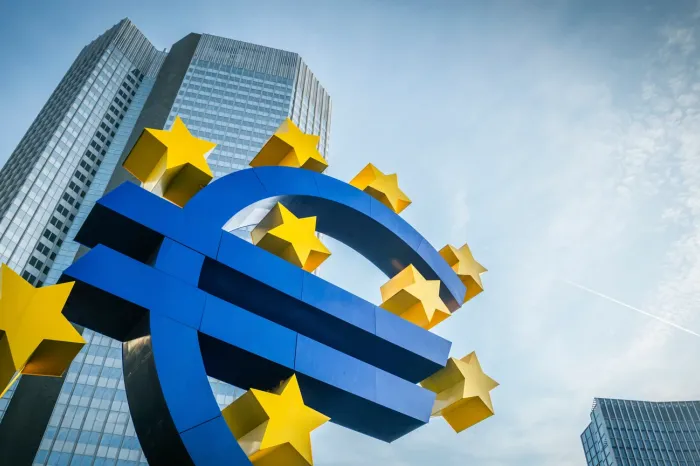
The European Central Bank (ECB) decided to keep its key interest rates unchanged following its April 30, 2026 monetary policy meeting. The deposit facility rate remains at 2.0 percent, the main refinancing operations rate at 2.15 percent, and the marginal lending rate at 2.40 percent. This decision comes as inflation pressures increase, mainly driven by rising energy prices linked to ongoing conflict in the Middle East.
The ECB’s statement highlighted that recent data largely aligns with their earlier inflation forecasts but noted a sharp rise in price pressures. Energy costs have surged sharply due to the war in the Middle East, which has negatively affected economic sentiment and raised concerns about medium-term inflation and economic growth. The bank emphasized that the impact on inflation and the economy will depend on how long the conflict lasts and how prolonged the high energy prices remain.
While long-term inflation expectations remain stable, short-term expectations have risen significantly. Eurostat’s preliminary figures show that annual inflation in the eurozone increased to 3 percent in April, up from 2.6 percent in March. The eurozone economy showed modest growth, with GDP rising by 1.5 percent year-on-year by the end of 2025.
ECB Governing Council members expressed caution about future developments. Gabriel Makhlouf highlighted concerns that energy prices could stay elevated for an extended period without a clear end to the conflict, potentially causing cost-push inflation across production, transportation, and services sectors. He also warned of possible second-round effects on wages that may take longer to appear due to Europe’s staggered wage-setting system.
Similarly, Olli Rehn stressed the importance of swift monetary policy action if inflation becomes entrenched through rising wages and prices. Although no clear signs of such second-round effects have emerged yet, the ECB is closely monitoring these risks.
Looking ahead, ECB President Christine Lagarde indicated that the bank might consider raising interest rates as early as June if energy prices stabilize and geopolitical tensions ease. However, for now, policymakers are adopting a cautious approach amid ongoing uncertainties surrounding energy markets and global economic conditions.
The ECB’s current stance reflects a balance between addressing inflation risks fueled by external shocks and supporting steady economic growth within the eurozone. As inflation trends evolve, further decisions on monetary policy will likely depend on how energy prices and geopolitical factors develop in the coming months.