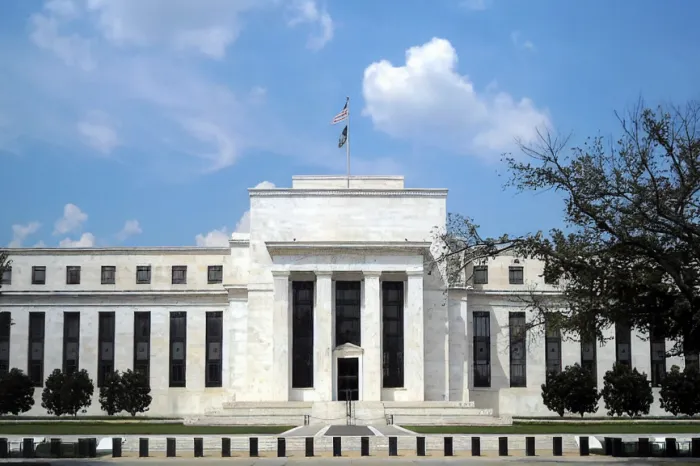
The foreign exchange market is experiencing increased volatility as investors and traders adjust to significant shifts in U.S. economic policy and global financial trends. The Senate recently confirmed Kevin Warsh as the new Federal Reserve Chair with a 54 to 45 vote, marking a pivotal moment for the central bank’s future direction. Warsh, a former Federal Reserve insider, has committed to introducing reforms and setting his leadership apart from his predecessors. This development has drawn intense interest from forex brokers and currency traders, who are keenly watching for clues about upcoming interest rate decisions and economic outlooks.
Economic Data Adds Complexity to Currency Movements
Recent economic reports have further complicated market dynamics. U.S. industrial production rose by 0.7% in April compared to March, driven by gains in manufacturing and utilities. This growth highlights the economy’s resilience despite ongoing inflation pressures, influencing currency valuations across the board.
Meanwhile, bond markets reflect evolving investor sentiment. The yield on the 30-year U.S. Treasury note climbed to just under 5.1%, its highest level since May 2023. This increase signals expectations of potential monetary policy changes under Warsh’s leadership. Higher yields often attract foreign investment seeking better returns, which can strengthen the U.S. dollar against other major currencies.
Trade Agreements and Geopolitical Factors Shape Forex Sentiment
Trade developments have also played a role in shaping forex market behavior. The recent announcement of a soybean trade agreement between the United States and China has been positively received by markets, suggesting improving trade relations that could support economic growth and stabilize currency prices.
However, geopolitical tensions continue to influence trader sentiment. Statements from political leaders regarding Iran and ongoing diplomatic talks contribute to uncertainty, prompting cautious approaches among forex brokers and traders. These factors can cause sudden currency fluctuations as risk appetite shifts or speculative activity increases.
In conclusion, the forex market is navigating a complex environment influenced by the Federal Reserve’s leadership change, key economic data releases, bond yield trends, trade agreements, and geopolitical developments. For forex brokers and currency traders, staying updated on these evolving factors is essential for making well-informed decisions based on real-time quotes and currency pair trends.