The EUR/USD currency pair has experienced a volatile trading session as conflicting headlines regarding US-Iran negotiations continue to unsettle the forex market. Earlier optimism about a potential agreement between the United States and Iran faded quickly after reports suggested Iran’s supreme leader ordered highly-enriched uranium to remain in the country. Although these reports were later denied, market sentiment remained cautious. This uncertainty has left investors hesitant to fully price in a lasting de-escalation in Middle Eastern tensions, especially following several previous failed negotiation attempts.
The eurozone economy is showing signs of weakness, which is impacting the euro’s outlook. Recent data revealed a decline in the eurozone’s Purchasing Managers’ Index (PMI), indicating a slowdown in business activity. The composite PMI dropped to 47.5, below the 50 mark that separates expansion from contraction, signaling that the region could be slipping toward stagnation if geopolitical tensions persist. Rising energy costs, linked to ongoing Middle East conflicts, are increasing inflationary pressures while dampening demand across manufacturing and service sectors.
France’s economic indicators were particularly disappointing, with its composite PMI falling sharply to 43.5, marking the lowest reading in over five years. Both manufacturing and services sectors showed signs of contraction due to weaker demand and rising operating costs. Inflation remains a concern as companies report higher input prices and begin raising selling prices again. These developments heighten concerns that France’s economy may contract further during the second quarter after stagnating earlier this year.
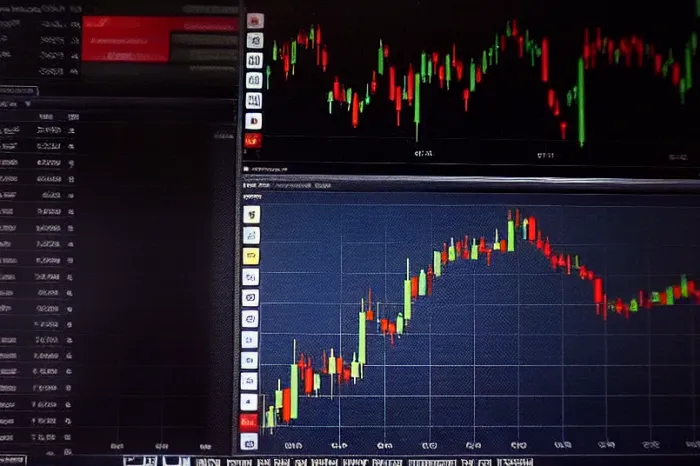
From a technical perspective, the EUR/USD pair has retreated to a key support zone around 1.1575 to 1.1600 after breaking below previous support levels between 1.1670 and 1.1700. The pair has bounced off this zone multiple times but continues to face pressure amid mixed signals from geopolitical developments. A decisive break below this support could push EUR/USD toward 1.1500 and possibly as low as 1.1410 or even 1.1390, based on past lows. Conversely, resistance near 1.1670 to 1.1700 must be overcome for any meaningful recovery, with a break above 1.1800 contingent on a genuine easing of Middle East tensions.
Oil prices remain a critical factor influencing risk assets and currency movements in the near term. The reopening of the Strait of Hormuz, a key global oil transit route, would be a major positive development likely to support both risk appetite and the euro’s recovery against the dollar. Until clearer progress emerges from US-Iran talks or signs of easing geopolitical risks appear, EUR/USD is expected to trade within a range rather than establish a sustained trend.
In contrast, the Federal Reserve’s hawkish stance continues to provide support for the US dollar, limiting downside potential for EUR/USD despite the eurozone’s economic challenges. Investors are closely watching headlines from Tehran for any updates on negotiations that might influence oil flows and regional stability.
Overall, forex traders should remain cautious in their EUR/USD positions given the uncertain geopolitical backdrop combined with weakening eurozone economic data. Monitoring technical levels alongside geopolitical developments will be essential for navigating potential price swings in this key currency pair.