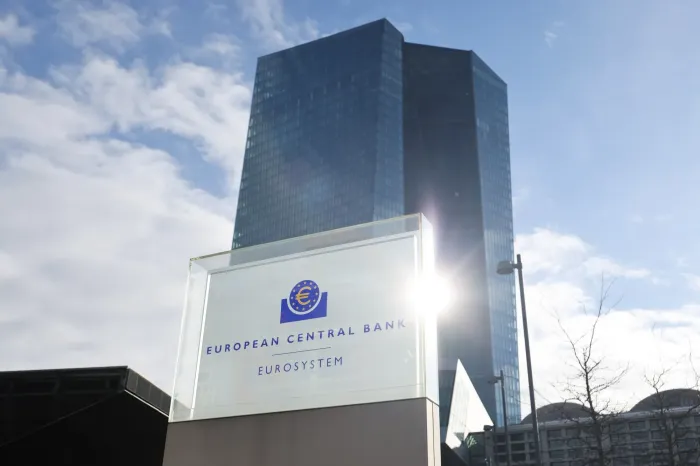
The European Central Bank (ECB) has published its March 2026 survey results, offering an in-depth look at credit terms and conditions in euro-denominated securities financing and over-the-counter (OTC) derivatives markets. The findings reveal a notable increase in funding demand across all collateral types, signaling a heightened liquidity need among financial institutions. While the overall maximum funding available to counterparties expanded, the degree of growth varied depending on the specific collateral involved.
Mixed Financing Conditions and Collateral Trends
The survey paints a complex picture of financing conditions. There was a slight extension in the maximum maturity period for funding, allowing counterparties access to longer-term financing solutions. Haircuts, which are discounts applied to collateral values, showed a minor decrease for certain types but remained mostly stable across the board. Reflecting the surge in demand, financing rates and spreads rose for nearly all collateral categories except non-domestic high-quality government bonds, which maintained steady levels.
Market liquidity and overall functionality stayed stable for most collateral types throughout the period. Notably, liquidity improved for domestic government bonds and high-quality government bonds, suggesting healthier trading activity within these segments. The survey also noted little change in the application of covenants, triggers, or the involvement of central counterparties. Furthermore, there was minimal variation in the frequency, duration, or persistence of disputes related to collateral valuation.
Developments in the OTC Derivatives Market
In the realm of non-centrally cleared OTC derivatives, the ECB recorded a slight reduction in initial margin requirements between December 2025 and February 2026. Maximum exposure limits and trade maturities remained largely unchanged during this timeframe. Liquidity and trading volumes held steady as well. Several respondents reported a decrease in the volume of valuation disputes, along with shorter durations and less persistence across most derivative categories. Terms connected to new or renegotiated master agreements and the posting of non-standard collateral experienced some easing during this period.
Survey Scope and Market Implications
This quarterly SESFOD survey gathered qualitative data from 26 major banks, including 14 based within the euro area and 12 headquartered outside the eurozone. It monitors evolving credit conditions over three-month intervals ending in February, May, August, and November each year. The March 2026 edition highlights shifting dynamics within securities financing and OTC derivatives markets amid ongoing changes in funding demand and credit terms.
Overall, the ECB’s latest report illustrates a market environment where funding demand steadily increases across multiple collateral classes while credit conditions remain mixed but broadly supportive. The combination of stable liquidity, improved conditions for certain government bonds, and modest easing in derivative margin requirements points to a cautiously balanced outlook as banks adjust their financing strategies within the eurozone’s financial ecosystem.