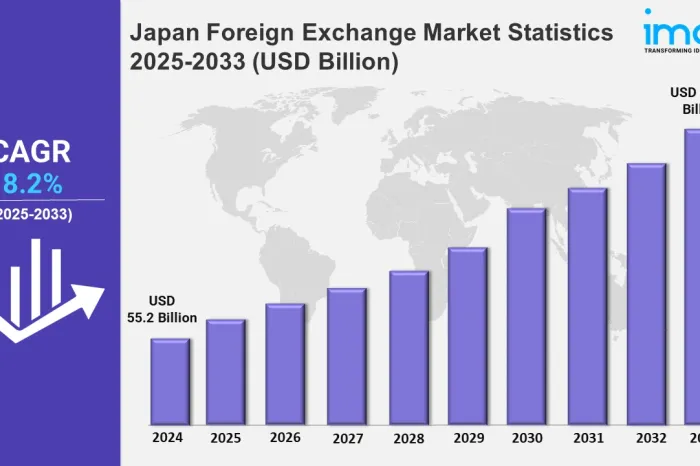
Japan continues to hold a prominent position in the global retail foreign exchange (FX) landscape, supported by a robust community of traders and high daily trading volumes. With over 1.5 million retail FX traders and more than 3 million active accounts, the country generates around $400 billion in daily FX turnover. This solidifies Japan’s standing alongside major financial centers like London, New York, and Singapore as a leading hub for currency trading.
Domestic Dominance and International Interest
The Japanese FX market is primarily led by domestic brokers such as GMO Click Securities, SBI FX Trade, Rakuten Securities, DMM FX, and Monex Group. These companies have cultivated strong platforms and loyal customer bases, fostering a competitive environment that encourages innovation in trading services. Many retail traders diversify their activity by holding accounts with multiple brokers, driving demand for sophisticated technology and tailored solutions.
Despite the dominance of local firms, international forex brokers are making strategic moves to penetrate the Japanese market as part of broader Asia-Pacific expansion plans. Well-known players like IG Group, Titan FX, OANDA, and Capital.com have either increased their presence or are preparing to do so. Currently, Japan hosts over 150 licensed FX brokers and securities firms offering currency trading products.
Regulatory Landscape and Market Entry Challenges
The Financial Services Agency (FSA) regulates Japan’s FX market with stringent rules designed to protect investors and maintain market integrity. While these regulations create high entry barriers for new participants, they also ensure a safer trading environment that benefits both traders and brokers alike. Firms seeking to enter or expand within Japan must navigate this rigorous compliance framework carefully.
Talent Shortages Impact Broker Operations
As competition intensifies among both domestic and international brokers, the need for skilled professionals across trading, technology development, compliance, sales, and operations is growing rapidly. The industry currently employs roughly 25,000 people; however, many companies face difficulties recruiting candidates who possess the necessary experience combined with proficiency in the Japanese language. This talent shortage is especially notable in sales and senior management roles.
To address these hiring challenges, brokers increasingly adopt remote work models and recruit from overseas talent pools. This approach expands access to qualified professionals and enhances their ability to compete effectively in the Japanese market.
Outlook for Japan’s Forex Market
With strong local players maintaining leadership while international firms continue to invest in technological innovation and market penetration, Japan is poised to remain a key strategic center for retail forex trading globally. The evolving landscape underscores both significant growth opportunities and operational complexities for forex brokers striving to succeed in this highly regulated yet dynamic environment.