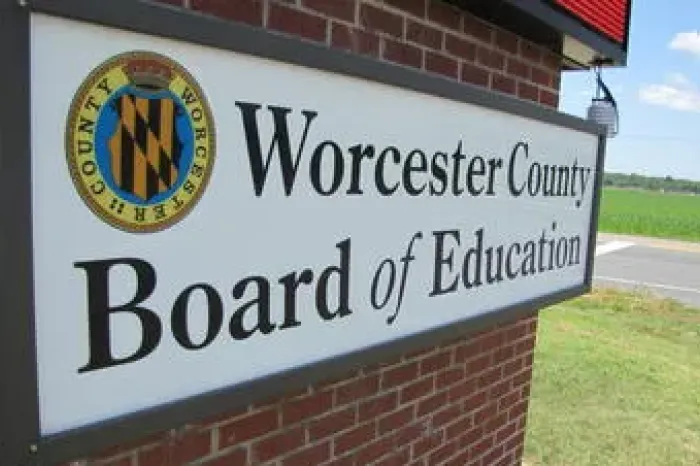
The Worcester County Commissioners voted narrowly to reduce the Board of Education’s budget request for the fiscal year 2027 by nearly $2.8 million. The decision, passed with a 4-3 vote on May 2, has sparked concern among education leaders who warn that the cuts will negatively affect students, staff, and numerous school programs across the county.
Commissioners Caryn Abbott, Anthony “Chip” Bertino, Madison “Jim” Bunting, and President Theodore “Ted” Elder supported the budget reduction, citing the need for fiscal responsibility and ongoing investigations into the school system’s finances. Meanwhile, Vice President Eric Fiori, Joseph Mitrecic, and Diana Purnell opposed the cuts, emphasizing the potential harm to educational services.
Superintendent Annette Wallace expressed deep disappointment over the decision, highlighting that the original budget was designed to meet the real needs of students and staff. She noted that reducing funding by such a large amount when the county’s financial shortfall was just over $250,000 was difficult to understand. Wallace warned that the cuts would impact almost every aspect of student life, including pre-kindergarten programs, dual enrollment costs required by state mandates, transportation services, afterschool activities, and summer learning opportunities.
Todd Ferrante, President of the Board of Education, criticized the vote as a troubling message about the county’s priorities regarding public education. He pointed out that this marks the fourth consecutive year that the Board has faced significant budget reductions despite available county resources. Ferrante stressed that these avoidable cuts would have serious consequences for classrooms, employees, and the wider community.
Commissioners who supported the reduction defended their votes by emphasizing their commitment to fiscal oversight amid a criminal investigation involving allegations of embezzlement against a former assistant superintendent. Commissioner Bertino noted that despite approving an overall increase in funding compared to last year’s allocation, they aimed to address salary increases and mandated costs while ensuring accountability. Commissioner Abbott expressed hope that salary packages for staff would not be reduced despite the cuts and urged unions and administrators to protect employee compensation. Commissioner Elder stressed balancing support for education professionals with responsible management of taxpayer funds.
Elsewhere, other school districts are progressing with administrative decisions for the upcoming school year. The Millburn Board of Education in New Jersey recently approved contracts for auditing services, insurance brokers, architectural services, medical support, and other professional roles for 2026–27. These appointments are part of routine budget planning to ensure smooth district operations.
In North Carolina, the New Hanover County Board of Education is considering a proposal for an off-campus religious education program called LifeWise Academy. Superintendent Dr. Christopher Barnes presented details about how this program operates during school hours without using public funds or school property. School leaders raised concerns about potential disruptions and additional staff workload but have yet to make a final decision.
Public input on school budgets continues in various communities. In Thomaston-Upson district, a former employee voiced strong concerns at a budget hearing about low wages forcing staff departures and questioned priorities in spending decisions amid rising taxes and classroom support cuts.
As Worcester County’s Board of Education prepares to meet again to discuss next steps following the budget vote, education leaders emphasize transparency and careful evaluation of how to best allocate limited resources without compromising student success or staff well-being.