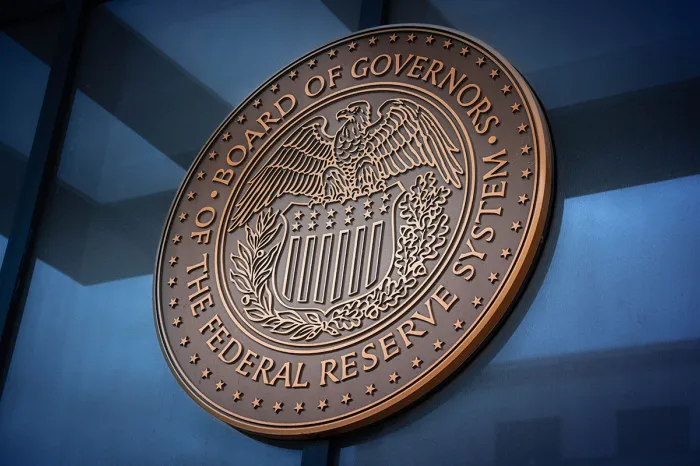
The Federal Reserve has initiated a new data collection effort aimed at improving transparency regarding banks’ lending activities within the private credit sector. This development was announced by Michelle Bowman, the Fed’s vice chair for supervision, during her testimony before the House Financial Services Committee. Lawmakers have raised concerns about the limited information available on banks’ exposure to private credit markets, prompting the central bank to take action.
During the hearing, Representative Ritchie Torres questioned whether the Fed’s recent letter to U.S. banks, requesting details about their financial exposure to private credit, indicated an admission of insufficient visibility into this area. Bowman acknowledged the existence of significant opacity in how banks’ investments flow into nonbank financial institutions and emphasized that understanding these connections is critical for assessing potential risks.
The Federal Reserve’s new data-collection initiative, launched in May, is designed to clarify where bank funds are being invested outside the traditional banking system. Bowman explained that this increased transparency will help regulators identify vulnerabilities within the private credit market and better supervise related risks. She noted a rising trend of bank investments in nonbank financial institutions but admitted that tracking these flows has been challenging due to the opaque nature of the market.
Estimates from Moody’s place U.S. banks’ exposure to private credit at around $300 billion, which is part of a broader $1.2 trillion in loans extended to non-depository financial institutions. Globally, the private credit market totals approximately $2 trillion according to recent figures from the Financial Stability Board. Despite its growth, Bowman described private credit as still representing a relatively small portion of overall bank lending but stressed the importance of gaining clearer insights due to the market’s complexity and lack of transparency.
Concerns have been raised about recent bankruptcies within private credit funds last fall, which were attributed to issues such as poor collateral management and inadequate disclosures. These events impacted several major banks including JPMorgan Chase and Fifth Third Bank. JPMorgan CEO Jamie Dimon famously remarked on the situation by suggesting that visible problems might indicate deeper hidden issues within private credit.
Bowman highlighted underwriting quality as a key factor in assessing risks associated with private credit lending. She explained that lenders need to carefully consider industry vulnerabilities when structuring loans to avoid exposure to shocks or deteriorating conditions. The Fed also aims to reverse a trend where banks have lost lending ground to alternative asset managers due to stricter regulations implemented after the 2007-08 financial crisis.
Regulators hope that new capital rules, particularly under Basel III, will encourage more lending activity to return to the banking system, enhancing oversight capabilities. While it remains unclear if the collected data will be made public, analysts like JPMorgan Securities’ Vivek Juneja have echoed concerns about rising defaults and rapid growth in private credit. He noted that large banks such as Wells Fargo, Citi, and Bank of America hold significant exposure alongside regional banks like KeyCorp.
Juneja emphasized that despite some increase in defaults and companies at risk within private credit loans, data scarcity and opacity continue to hinder comprehensive analysis. The Federal Reserve’s increased scrutiny signals a growing recognition of potential risks in this expanding segment of finance and reflects ongoing efforts to safeguard financial stability.