The forex market showed modest fluctuations as traders digested fresh U.S. inflation data alongside escalating geopolitical tensions in the Middle East. The U.S. dollar gained slightly during a volatile session, buoyed by safe-haven demand due to concerns over conflict in the region, while tempered optimism emerged from mixed inflation results.
U.S. Dollar Edges Higher on Inflation Report
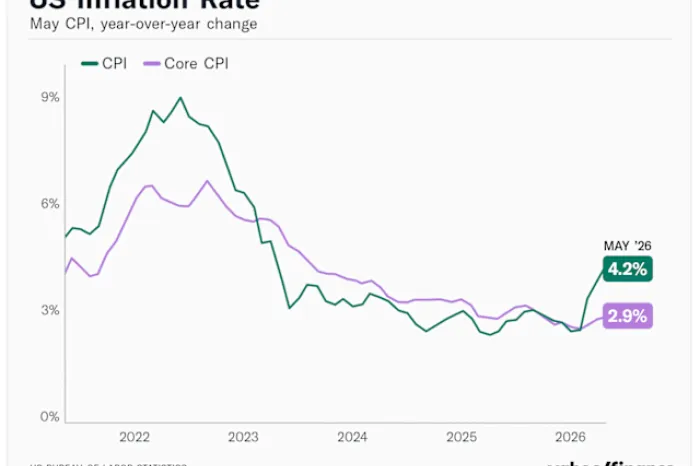
On Wednesday, the U.S. dollar index, which tracks the greenback against six major currencies, inched up 0.1% to 99.96, remaining close to a two-month high reached earlier in the week. Market participants focused on the May Consumer Price Index (CPI) figures, revealing headline inflation rose 0.5% month-over-month and 4.2% year-over-year, aligning with economists’ forecasts.
However, core CPI—which excludes volatile food and energy prices—increased by only 0.2% month-over-month and 2.9% year-over-year, slightly under expectations. This softer core inflation reading suggested that price pressures outside of energy might be easing.
Energy Prices Surge Amid Middle East Conflict
The inflation data highlighted energy costs as a significant contributor to headline inflation, with annual energy prices climbing 23.5% and gasoline surging 40.5%, marking their steepest increases since mid-2022. These sharp rises are linked to ongoing conflicts in the Middle East that have disrupted oil supplies and heightened market uncertainty.
This dynamic has complicated the forex landscape, as higher energy prices add inflationary pressure globally but also fuel risk aversion that supports the dollar as a safe-haven currency.
Fed Rate Expectations Adjusted
Traders responded to the mixed inflation signals by recalibrating expectations for Federal Reserve policy moves. The softer core CPI led some investors to scale back bets on further interest rate hikes this year, even entertaining modest chances of a rate cut down the line.
Since higher interest rates typically strengthen the dollar by attracting capital flows, shifts in Fed policy outlook continue to play a pivotal role in forex market volatility.
Geopolitical Risks Heighten Market Uncertainty
Meanwhile, geopolitical developments added layers of complexity. The U.S. military launched strikes targeting Iranian positions after an incident involving an American helicopter near the Strait of Hormuz. Former President Donald Trump underscored a firm stance toward Iran, warning of additional action if peace talks do not progress swiftly.
These tensions have intensified demand for safe assets like the U.S. dollar amid fears of broader regional conflict disrupting global markets.
Broader Currency Market Movements
Elsewhere, the Canadian dollar weakened slightly following the Bank of Canada’s decision to hold its policy rate steady as investors await monetary decisions from the European Central Bank and Bank of Japan.
The euro remained stable ahead of an anticipated ECB rate hike, while the Japanese yen weakened against the dollar after rising producer prices bolstered expectations for tightening monetary policy in Japan.
Overall, recent forex market activity reflects a delicate balance between geopolitical anxieties fueling safe-haven buying and cautious optimism about easing underlying inflation pressures influencing central bank strategies worldwide. Traders remain vigilant as new economic data and diplomatic developments continue to shape market direction.