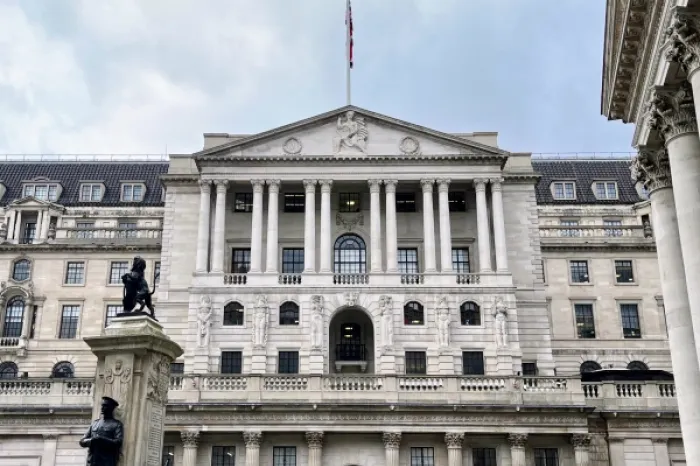
The Bank of England (BoE) has announced significant changes to its collateral framework aimed at integrating climate-related financial risks. This move aligns the BoE with other major central banks, such as the European Central Bank (ECB), which have begun factoring environmental concerns into their financial policies. Starting October 31, the BoE will introduce new haircuts on corporate bonds from sectors vulnerable to risks associated with the transition to a greener economy. Notably, bonds issued by companies involved in coal mining will no longer be accepted as collateral, continuing the bank’s earlier stance under its corporate bond purchase scheme.
A collateral framework sets the rules for which assets banks can use as guarantees when borrowing from the central bank and under what conditions. By adjusting these rules to account for climate risks, the BoE aims to protect itself and the wider financial system from potential losses linked to the economic shift towards net zero emissions. This precautionary approach reflects growing concerns about how climate change could impact financial stability.
The ECB has also incorporated climate factors into its collateral policies, although it delayed full implementation until mid-2024. Unlike the BoE, the ECB’s current framework does not exclude assets tied to coal mining outright, prompting calls from campaigners for stricter measures. Environmental advocacy groups have welcomed the BoE’s decision as a positive step that sets an important precedent for other central banks globally.
Alongside these policy updates, recent economic data from the UK shows inflation holding steady at 2.8% in May, unchanged from April and lower than analysts had expected. This stable inflation reading comes just ahead of the BoE’s upcoming interest rate decision, providing some relief to policymakers concerned about rising prices. Food costs contributed most significantly to keeping inflation down, offsetting increases seen in transport-related expenses such as airfares, petrol, and vehicle taxes.
Economists suggest that the combination of steady inflation and proactive climate risk management by the BoE reflects a cautious but forward-looking stance amid ongoing economic uncertainties. The bank’s approach signals an understanding that environmental factors are increasingly relevant to monetary policy and financial regulation.
Experts at institutions like the London School of Economics note that while corporate bonds are currently a minor part of collateral used by counterparties, incorporating climate considerations now prepares the BoE for future risks as it transitions to a new operational framework. This evolving approach highlights the growing intersection between climate action and economic policy in one of the world’s major financial centers.
As central banks worldwide grapple with balancing growth, inflation control, and sustainability goals, the BoE’s recent updates underscore a trend toward integrating environmental risks into core financial practices. Observers will be watching closely how these changes influence market behavior and shape broader efforts to address climate-related financial challenges.