Tokyo is witnessing a significant rise in inflation, with the consumer price index (CPI) excluding fresh food climbing to 1.6% year-on-year in June. This marks the first upward movement in eight months, signaling that inflationary pressures are steadily gaining momentum. More notably, the broader core inflation figure, which excludes both fresh food and energy costs, surged to 1.9%, indicating that price increases are extending beyond typically volatile sectors. These inflation trends have placed the Bank of Japan (BOJ) on heightened alert regarding the potential need for tighter monetary policy.
Despite government efforts to temper inflation through subsidies on utilities and imposing price caps on gasoline, energy prices have begun to rebound. In June, petroleum prices rose by 0.5% following a seven-month decline, contributing to cost increases across other consumer categories such as clothing and household goods. The sustained rise in crude oil prices, influenced partly by geopolitical tensions in the Middle East, has driven up electricity and gas costs. These hikes are now feeding into broader consumer price increases, further complicating efforts to keep inflation under control.
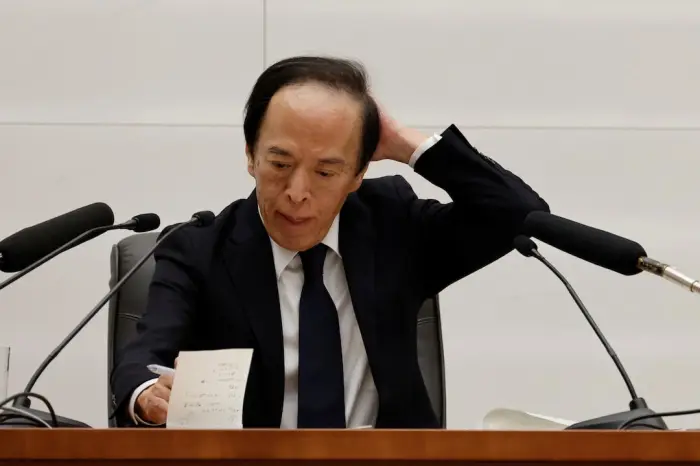
In response to these mounting pressures, the BOJ recently pushed interest rates to their highest point in over thirty years as part of its gradual policy normalization. Officials within the central bank have acknowledged that inflation risks are becoming more pronounced. Some members of the BOJ board have voiced hawkish opinions, advocating for swifter action than previously anticipated. Governor Ueda and Deputy Governor Himino emphasized the intensifying secondary effects of elevated oil prices on consumer inflation, signaling a potential shift toward a more aggressive tightening stance.
Looking ahead, changes in the BOJ’s board later this year could influence the direction of monetary policy. Two members known for their hawkish views are set to retire, with new appointees expected to hold more dovish positions. Despite this potential shift in internal balance, market analysts currently foresee at least one interest rate increase as soon as October 2026—advancing earlier projections that had anticipated tightening toward the end of that year. Should inflation continue along its current trajectory, the terminal interest rate could approach approximately 1.75% by mid-2027.
Investors and economists alike are closely monitoring Tokyo’s inflation data as an early indicator of nationwide trends. Wholesale prices have recently surged, suggesting that businesses are passing higher input costs onto consumers. This development has intensified expectations for further BOJ tightening measures and has impacted Japanese government bond yields as well as currency movements. While some debate remains over whether energy-driven inflation will maintain its elevated levels, the central bank remains cautious amid ongoing uncertainties.
In summary, Tokyo’s rising inflation is compelling the Bank of Japan to reconsider its timeline for rate hikes amid persistent price pressures fueled by rising energy costs and broader economic factors. Although government interventions have kept headline inflation below 2% so far, underlying data point toward accelerating price growth that may prompt faster monetary policy adjustments in the near future.