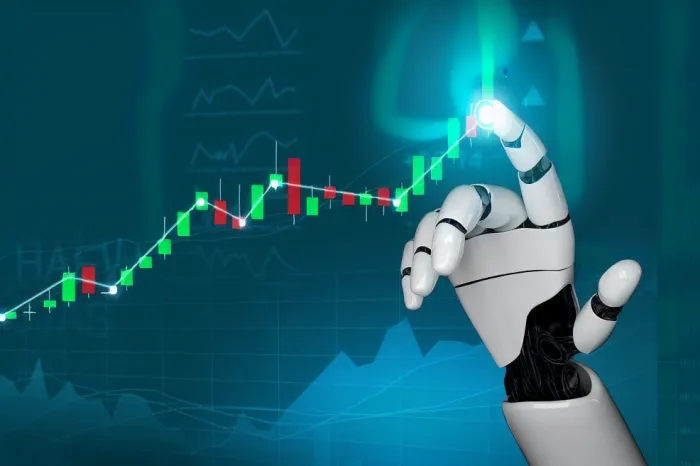
The year 2026 represents a major milestone in the evolution of automated forex trading, driven by sophisticated forex robots that integrate machine learning, dynamic grid strategies, and advanced risk management techniques. These cutting-edge systems require minimal human intervention, providing retail traders around the world with a more effective and secure trading experience.
Unlike earlier generations of Expert Advisors that depended on fixed, rule-based methods, today’s forex robots utilize neural networks to analyze massive volumes of tick-level market data. This allows them to detect hidden market patterns such as institutional order blocks and liquidity zones, identifying subtle market shifts and emerging trends that traditional technical indicators often miss.
Dynamic grid trading has seen significant improvements as well. Instead of placing trades at predetermined intervals, these robots adjust their buy and sell orders based on real-time market volatility using complex mathematical algorithms. This adaptability helps minimize losses during strong trending periods by pinpointing optimal entry points and spacing trades according to live volatility readings.
A notable advancement in 2026 is the integration of ultra-low latency news and event filtering systems. Forex robots now receive economic news directly through API feeds, instantly process the information using natural language processing, and execute trades or protective measures within milliseconds. This rapid response gives retail traders a distinct edge, allowing them to exploit or defend against sudden price movements before the wider market reacts.
Risk management remains a cornerstone of these automated platforms. Modern bots continuously monitor equity drawdowns in real time, dynamically adjusting position sizes or pausing trading when preset risk limits are reached. They also evaluate broker execution quality to avoid placing orders during periods of excessive slippage or latency, thereby protecting traders from adverse trade conditions.
Furthermore, several leading trading platforms have adopted blockchain technology to bolster security and transparency. By executing trades through smart contracts on decentralized networks, these systems reduce counterparty risks and ensure funds remain securely held in escrow throughout transactions.
Together, these technological innovations have transformed forex robots from basic automated tools into autonomous trading partners capable of swiftly adapting to volatile markets while safeguarding traders’ capital. As retail forex brokers continue to implement these advancements, traders benefit from enhanced convenience, improved performance, and stronger protections against market uncertainties.