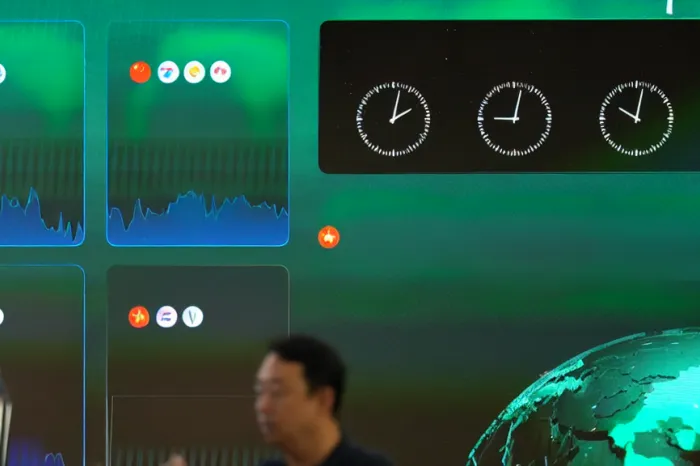
Starting July 6, Seoul’s foreign exchange market will adopt a 24-hour weekday trading schedule, a significant step aimed at enhancing the continuous trading of the won-dollar currency pair. This change is expected to provide greater convenience for financial institutions, foreign investors, and import-export companies by allowing currency transactions beyond the traditional banking hours.
Previously, although currency exchange services were technically available around the clock through banks or brokerage platforms, trades executed outside regular hours often faced provisional rates roughly 5 percent higher than the actual market prices. This gap imposed extra costs on investors conducting after-hours transactions. For example, domestic investors purchasing U.S. stocks during early morning hours experienced inflated exchange rates due to market closures. With the new system, real-time exchange rates will be applied throughout the weekdays, substantially reducing transaction costs and enhancing overall efficiency.
The extended trading hours hold particular benefits for exporters and importers. Companies receiving dollar payments in early morning periods will be able to convert currencies immediately, improving their ability to manage exchange rate risks more effectively. Additionally, incorporating overnight global developments—especially from the United States—in real time is anticipated to lessen sudden shocks and volatility when markets open.
Despite these advantages, experts warn that liquidity during late-night trading might remain limited. This could lead to sharper price swings triggered by relatively small orders. To address such concerns, authorities are encouraged to introduce incentives for night trading and strengthen liquidity support mechanisms. Careful monitoring will be essential to prevent speculative activities and maintain stability within this newly expanded trading environment.
This initiative aligns with South Korea’s broader ambition to modernize its foreign exchange market and align it with international standards. By extending trading hours, Korea aims to reduce reliance on offshore nondeliverable forward (NDF) markets that have historically influenced domestic exchange rates disproportionately. A longer trading window should enable faster absorption of global developments and smooth out intraday fluctuations caused by accumulated external shocks.
Nonetheless, financial regulators remain cautious amid ongoing won volatility and persistent global economic uncertainties. Although South Korea’s foreign exchange reserves have recently increased, the country has dropped one rank globally, highlighting the importance of a robust safety net against speculative pressures. Past financial crises emphasize the need for swift policy responses and vigilant oversight in managing an open 24-hour forex market.
Overall, implementing round-the-clock forex trading is poised to improve market efficiency, lower currency conversion costs for investors, and grant exporters greater flexibility in managing foreign exchange risks. With appropriate safeguards and enhanced liquidity measures in place, Seoul’s expanded forex trading hours could significantly elevate South Korea’s position in the competitive global financial landscape.